The Things You Might Never Notice
Some of the things you might never notice are the very things that make the biggest difference.
Not because they're hidden.
When thoughtful design works well, you don't have to think about the space around you. You simply get to enjoy where you are—and who you're with.
At the heart of hospitality design is a simple idea: the spaces around us influence how we experience our time together.
And often, the details that contribute most are the ones we barely notice.
The chair that's already where someone wants to sit.
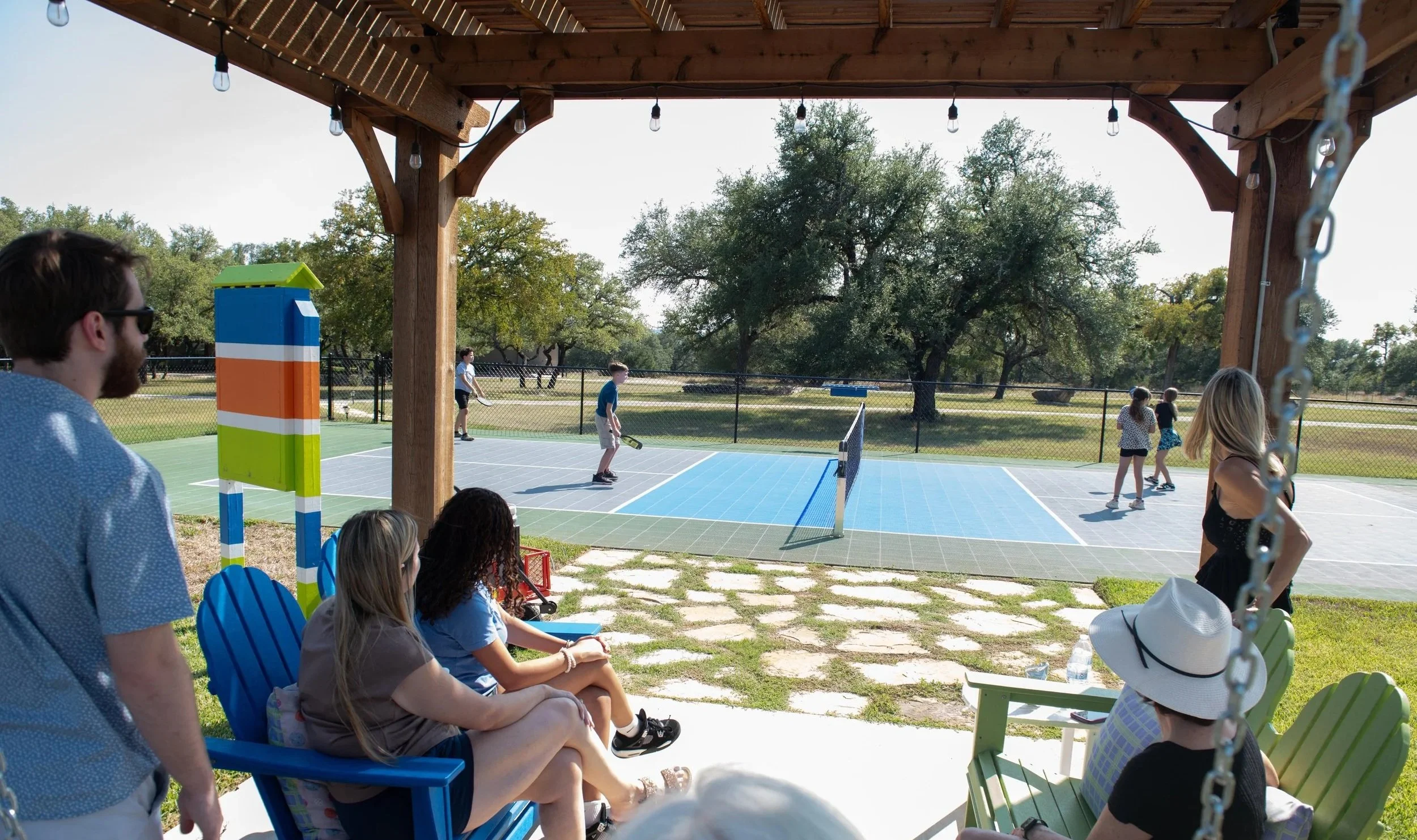
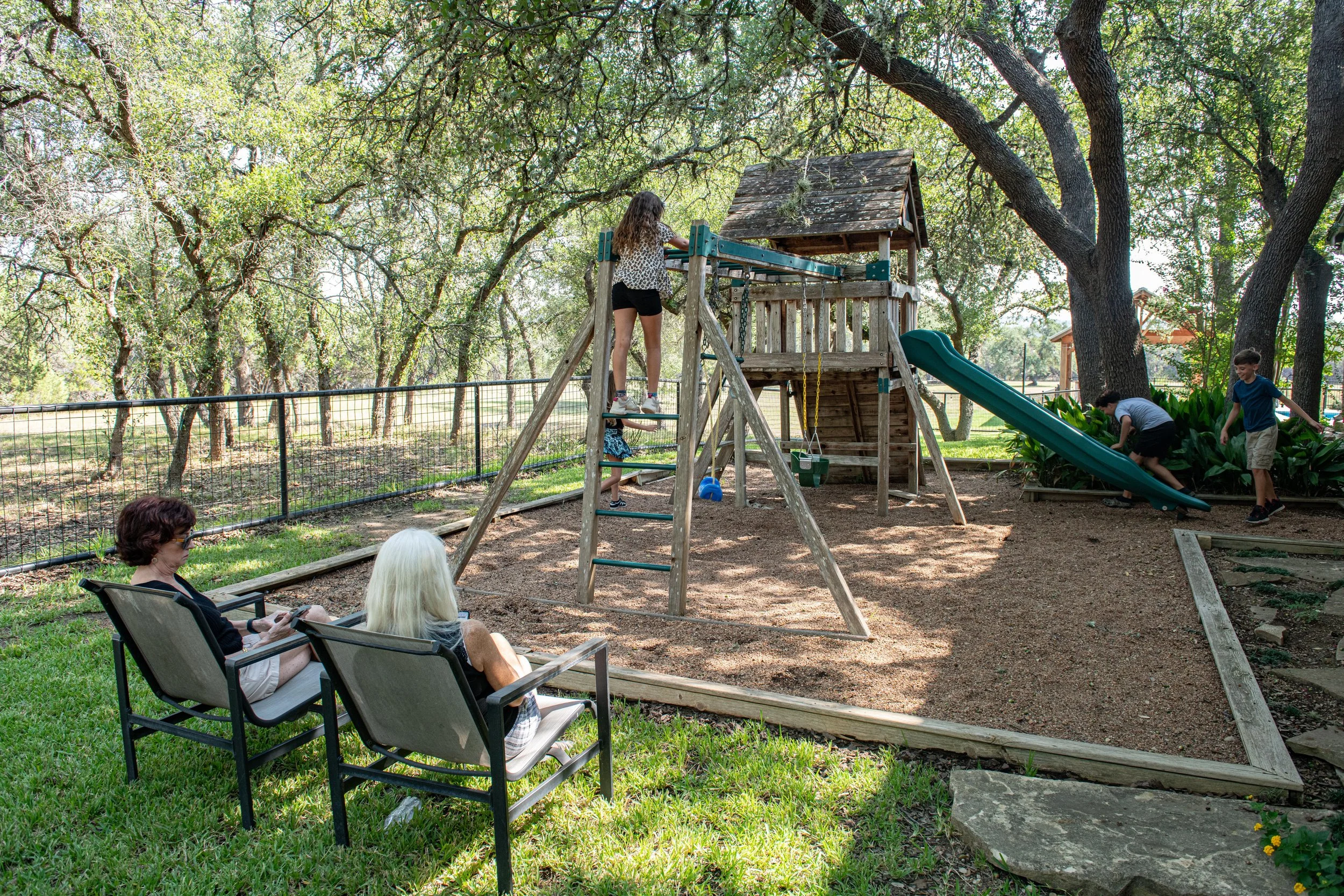
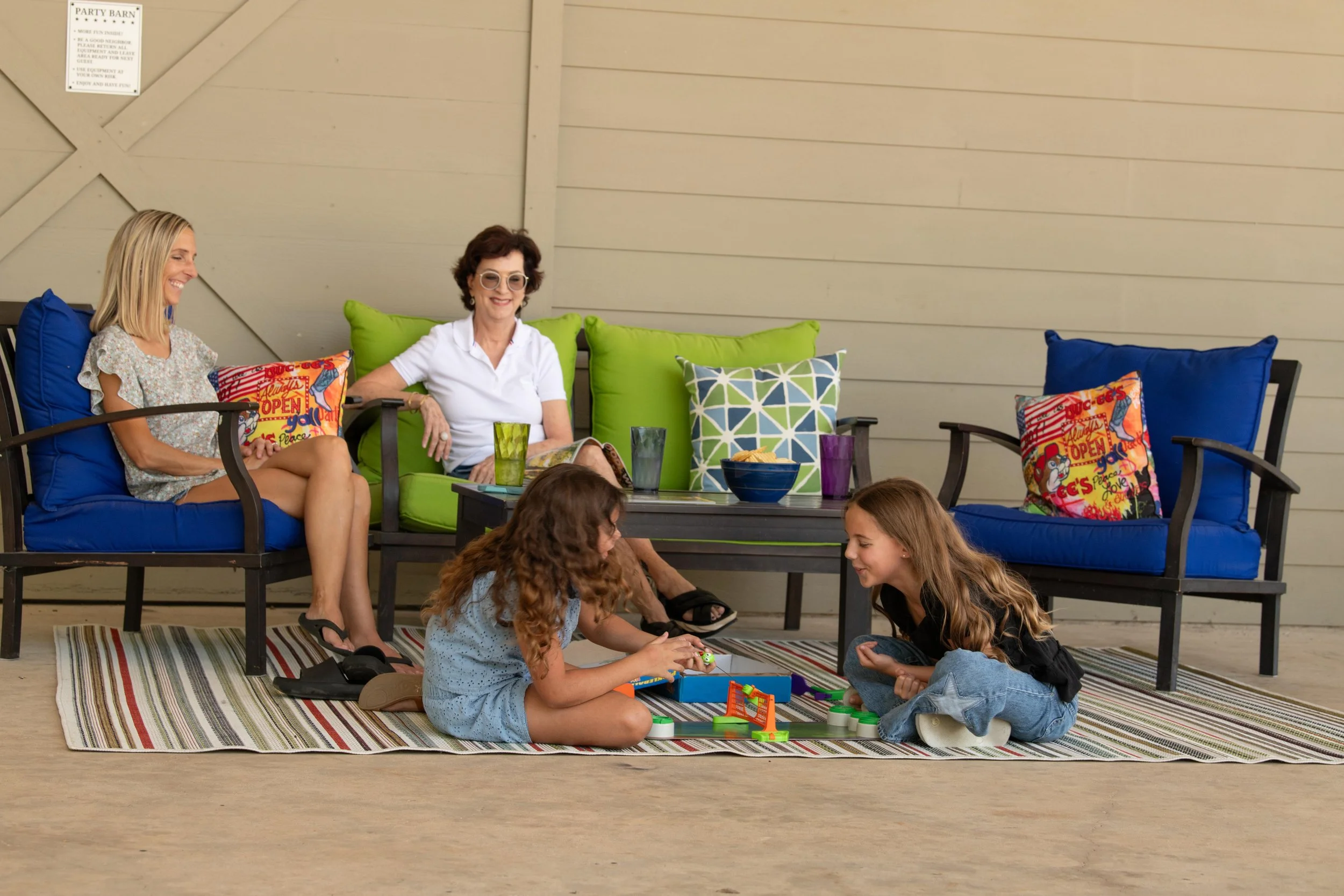
The shade beside the place everyone wants to play.
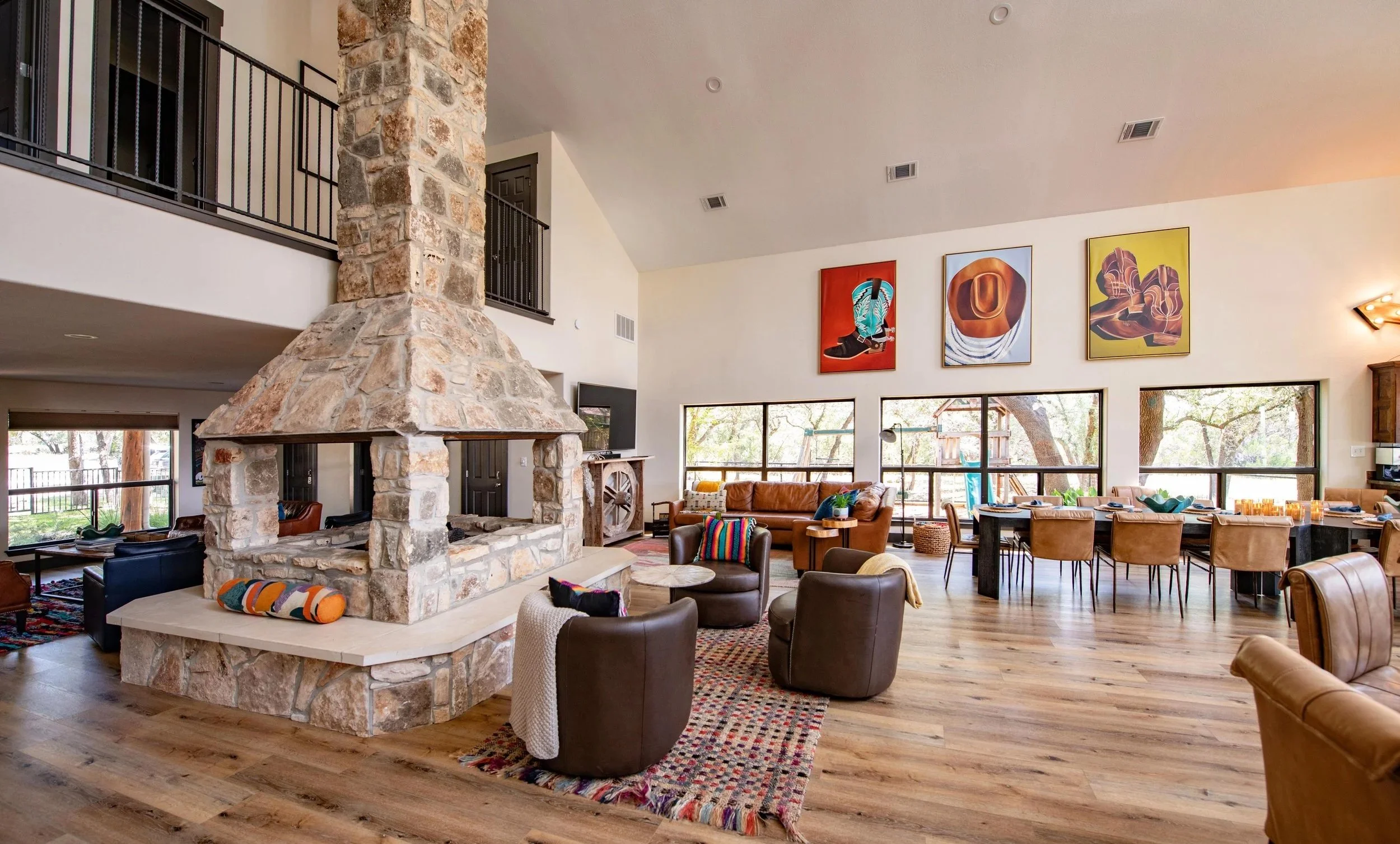
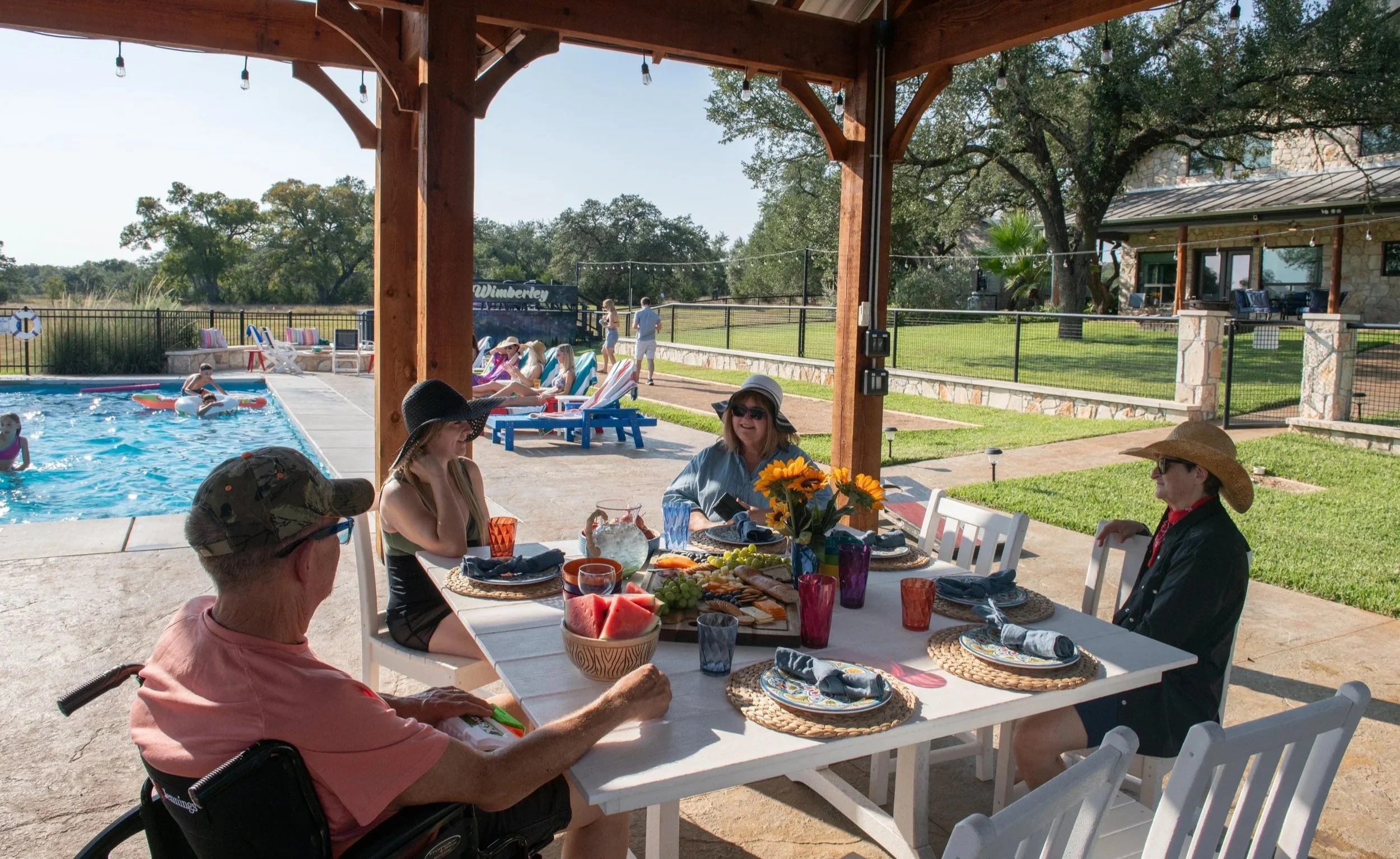
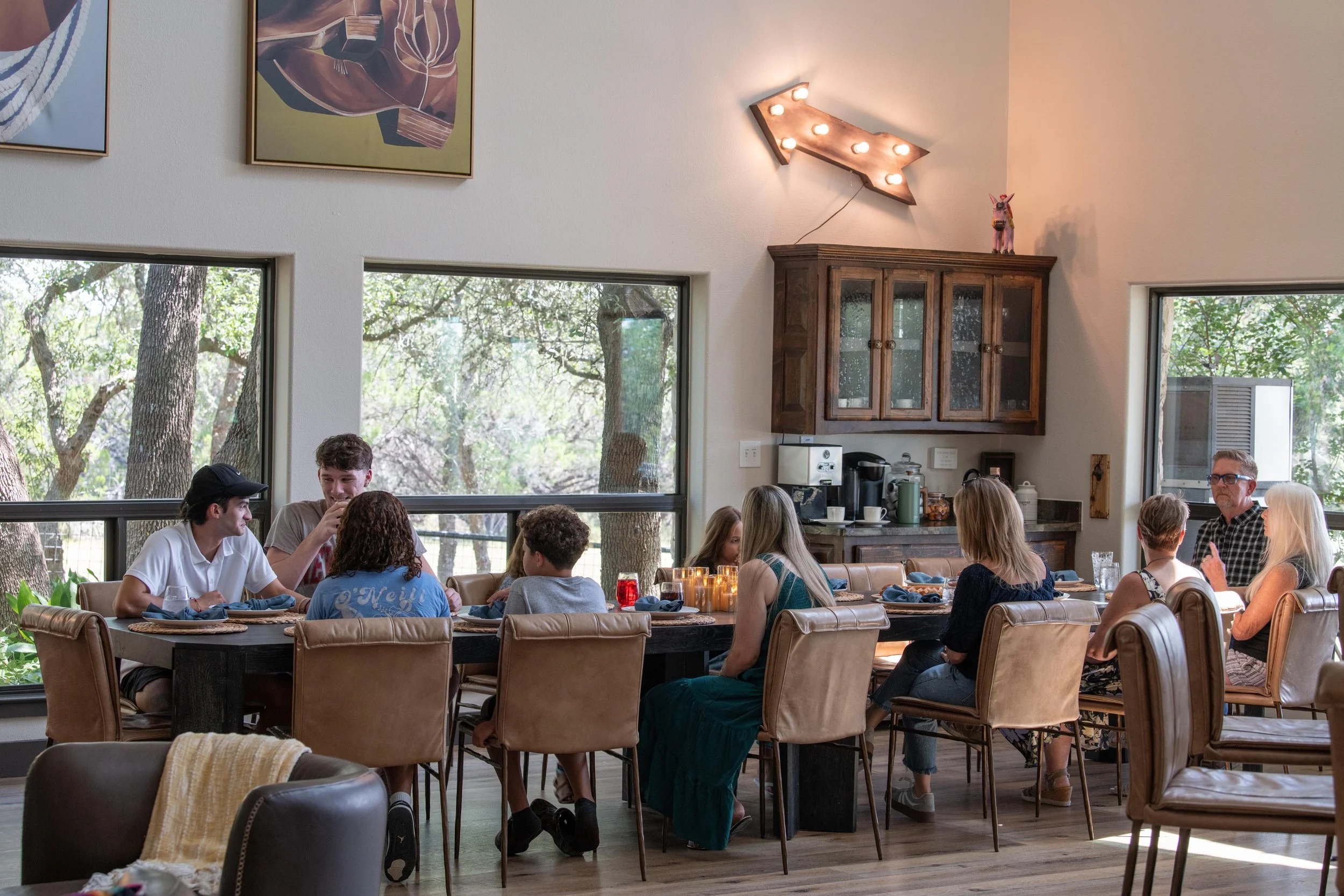
A table with room for the whole group.
A path that lets someone move easily from one part of the day to another.
A quiet place to step away—and a welcoming place to come back together.
None of these things will necessarily be the story someone tells when they get home.
But they can quietly shape the way that story unfolds.
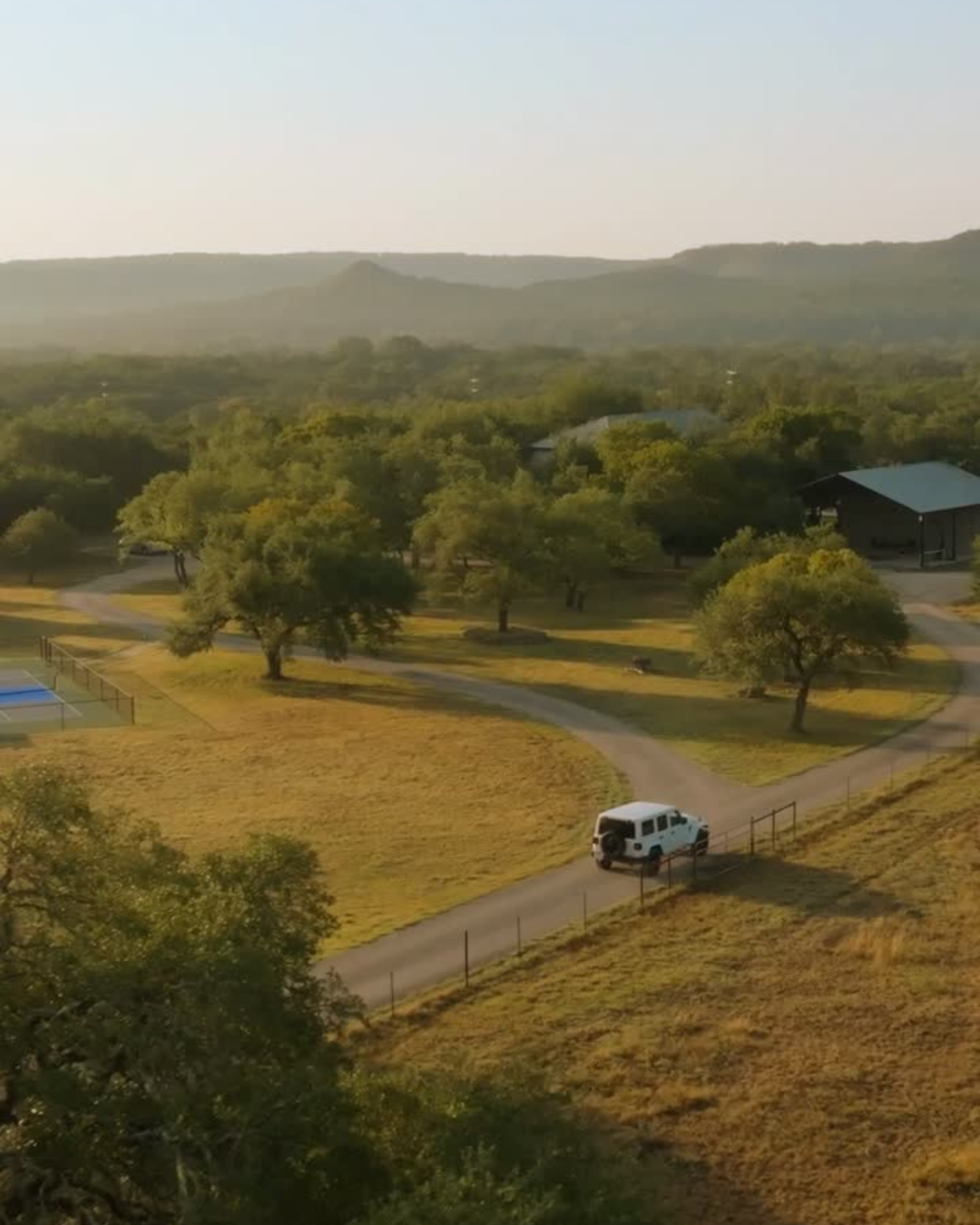
That's something we've thought about a lot at The Gathering, here in Wimberley, Texas.
How can a place make it easier for people to enjoy being together?
When Things Simply Work
Good hospitality design isn't only about how a place looks.
It's also about how it feels to use it.
Where people naturally gather. How easily they move through a space. Whether different generations can enjoy the same place in different ways.
At The Gathering, some of the details we're most particular about aren't necessarily the ones we expect anyone to compliment.
Will someone watching pickleball still feel part of the game?
Is there room for everyone around the table?
Can a group spread out without feeling scattered?
These aren't glamorous details.
But they remove little bits of friction from a stay.
When things simply work, guests can spend a little less time thinking about logistics—
and a little more time enjoying the people they came to see.
When Everyone Can Be Part of It
Thoughtful design also asks a bigger question:
Who gets to participate?
Universal design considers how spaces can work for people of different ages, abilities, and needs—not simply whether someone can enter a space, but how comfortably and independently they can experience it.
At The Gathering, accessibility isn't meant to feel like a separate experience.
It's a step-free entrance that brings everyone through the same home.
A dining table someone using a wheelchair can comfortably join.
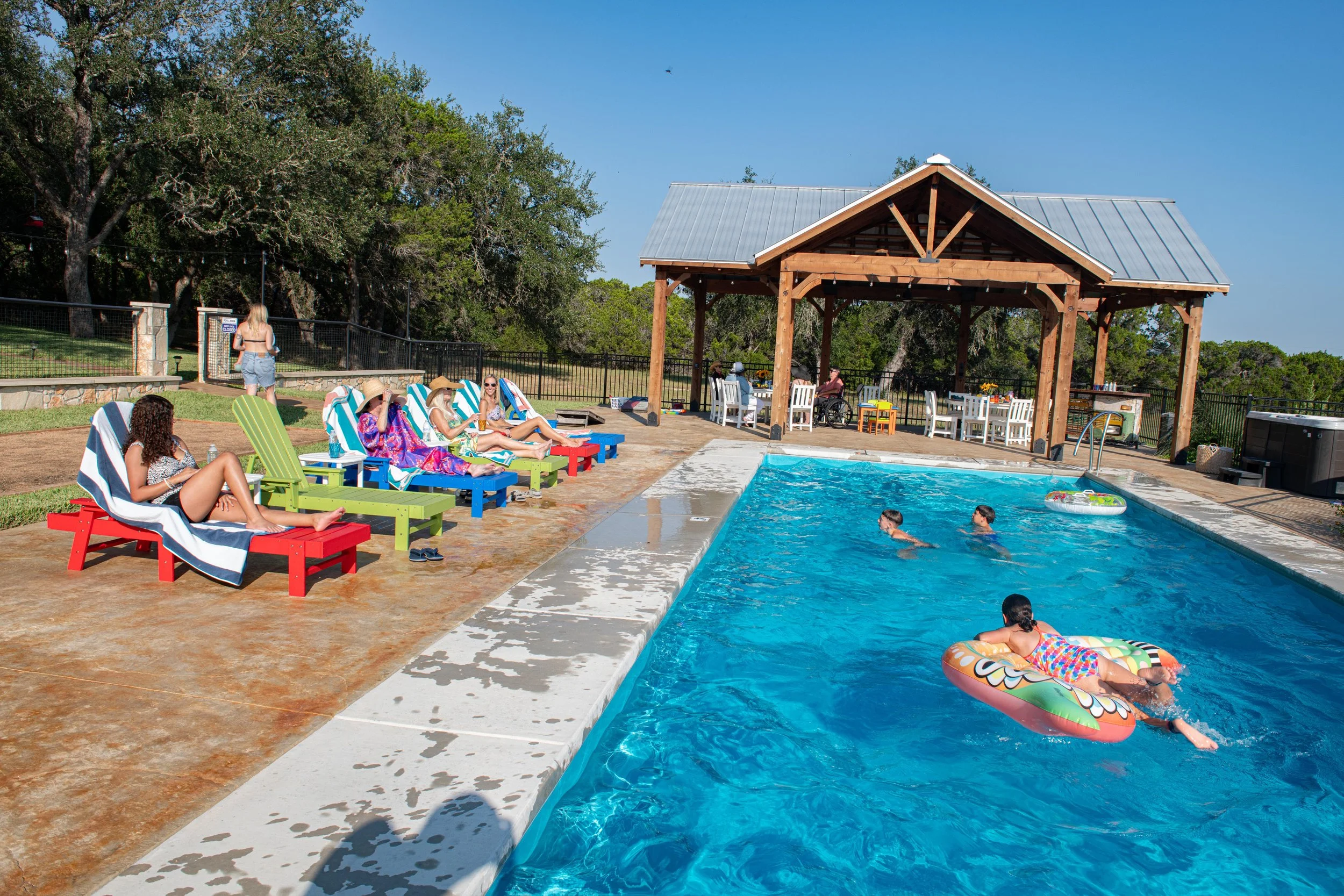
A ground-level accessible bedroom and bathroom, with a gentle path toward the pool and outdoor gathering spaces.
Because there's a difference between being accommodated and simply being included.
The details may be easy to overlook.
Being part of what's happening isn't.
When Together Doesn't Mean Together Every Minute
One thing we've learned about gathering is that people don't all need the same thing from the same day.
Someone wants a pickleball rematch.
Someone else would rather watch from the shade.
Two people are still sitting over coffee long after everyone else has wandered away.
Thoughtful spaces leave room for all of it.
Connection needs places where people can gather. But comfort also needs choices—places to participate, places to observe, and places to step away for a while.
Togetherness doesn't have to mean together every minute.
Sometimes the best group spaces give people enough room to go their separate ways—
and make it easy to find one another again.



When Nature Becomes Part of the Design
Not everything that shapes a place was designed by us.
Some of the best parts were already here.
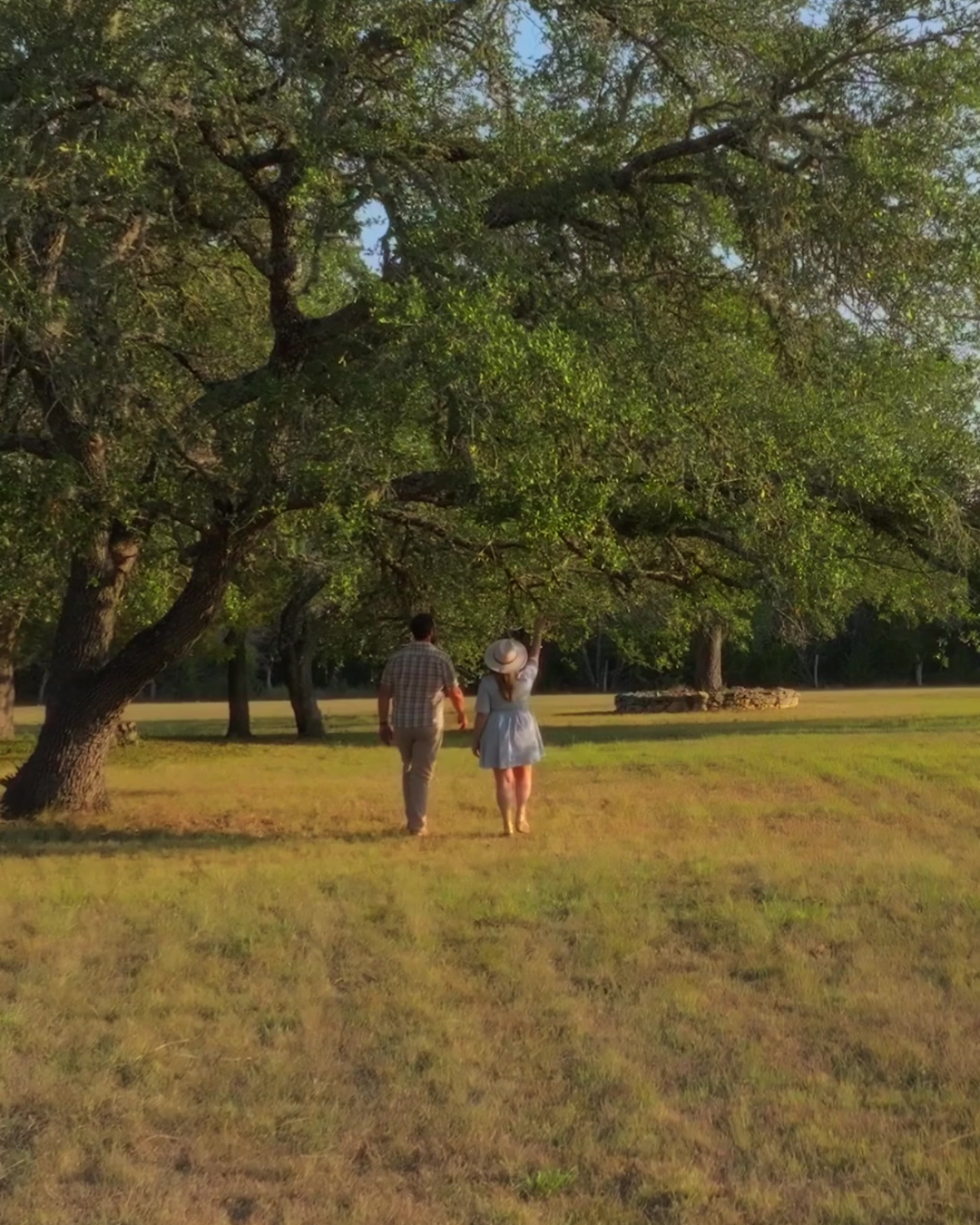
The oak trees and open skies of the Texas Hill Country. The deer wandering through the property. The changing light at the end of the day.
Hospitality and wellness design increasingly recognize something people have understood instinctively for a long time: being connected to nature can change how a place feels.
You don't need to know the design terminology to experience it.
It's stepping outside with your coffee and staying longer than you meant to.
Stopping a conversation because a deer has wandered into view.
Looking up because the sky is unusually clear.
Perhaps one of nature's greatest contributions to a gathering is simply that it gives everyone something to notice together.
When a Place Becomes Part of the Story
Why do certain places become part of our memories?
Usually, it isn't because we remember the furniture or the floor plan.
We remember what happened there.
The conversation around the table.
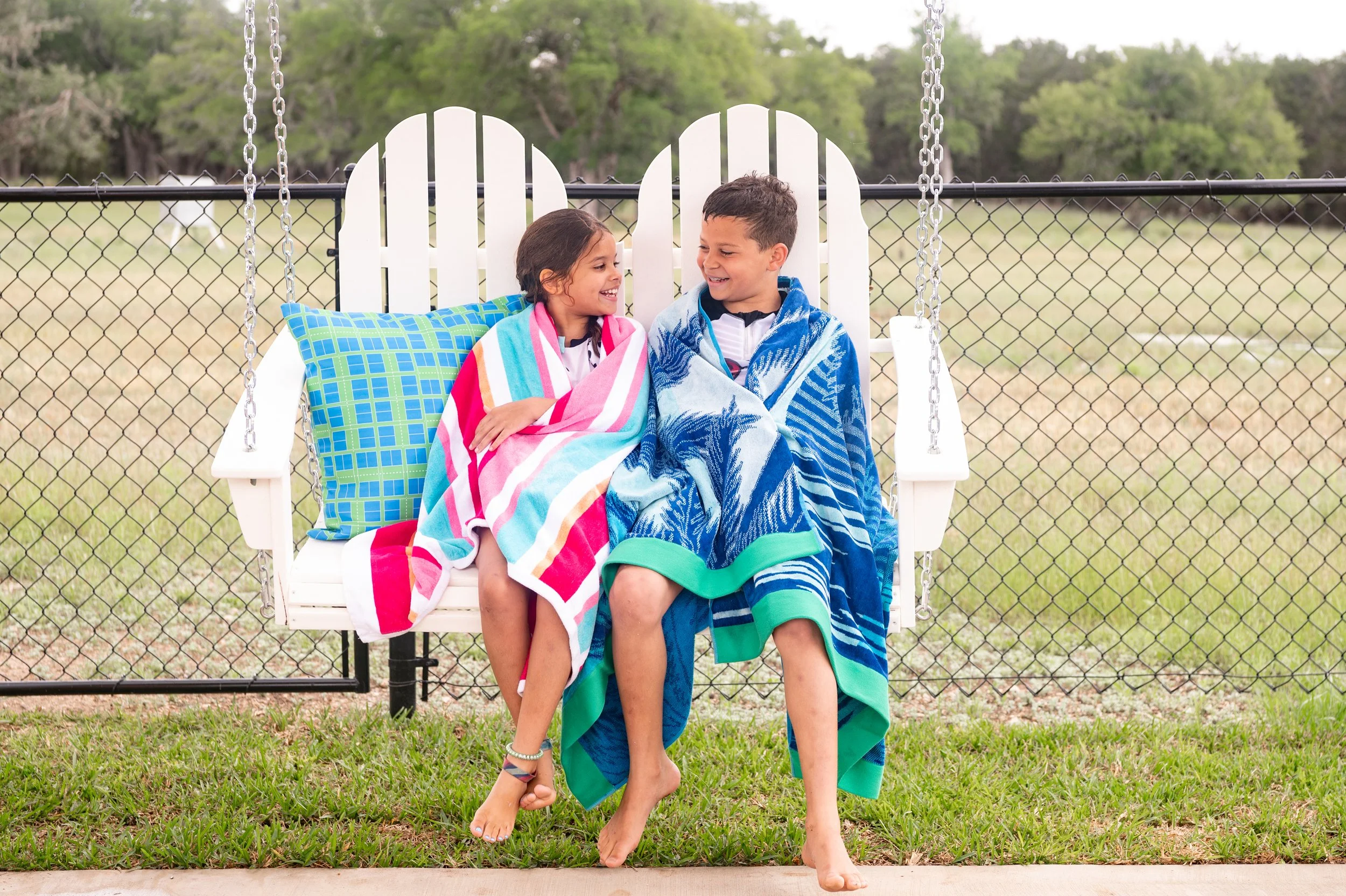
The afternoon everyone ended up in the pool.
The story that had everyone laughing long after dinner should have been over.
Over time, those experiences become connected to the places where they happened.
Remember when we were there and...
That's when a place becomes more than the backdrop.
It becomes part of the story.
Thoughtful design can't create those memories.
That's the part only people can bring.
But a place can make room for them.
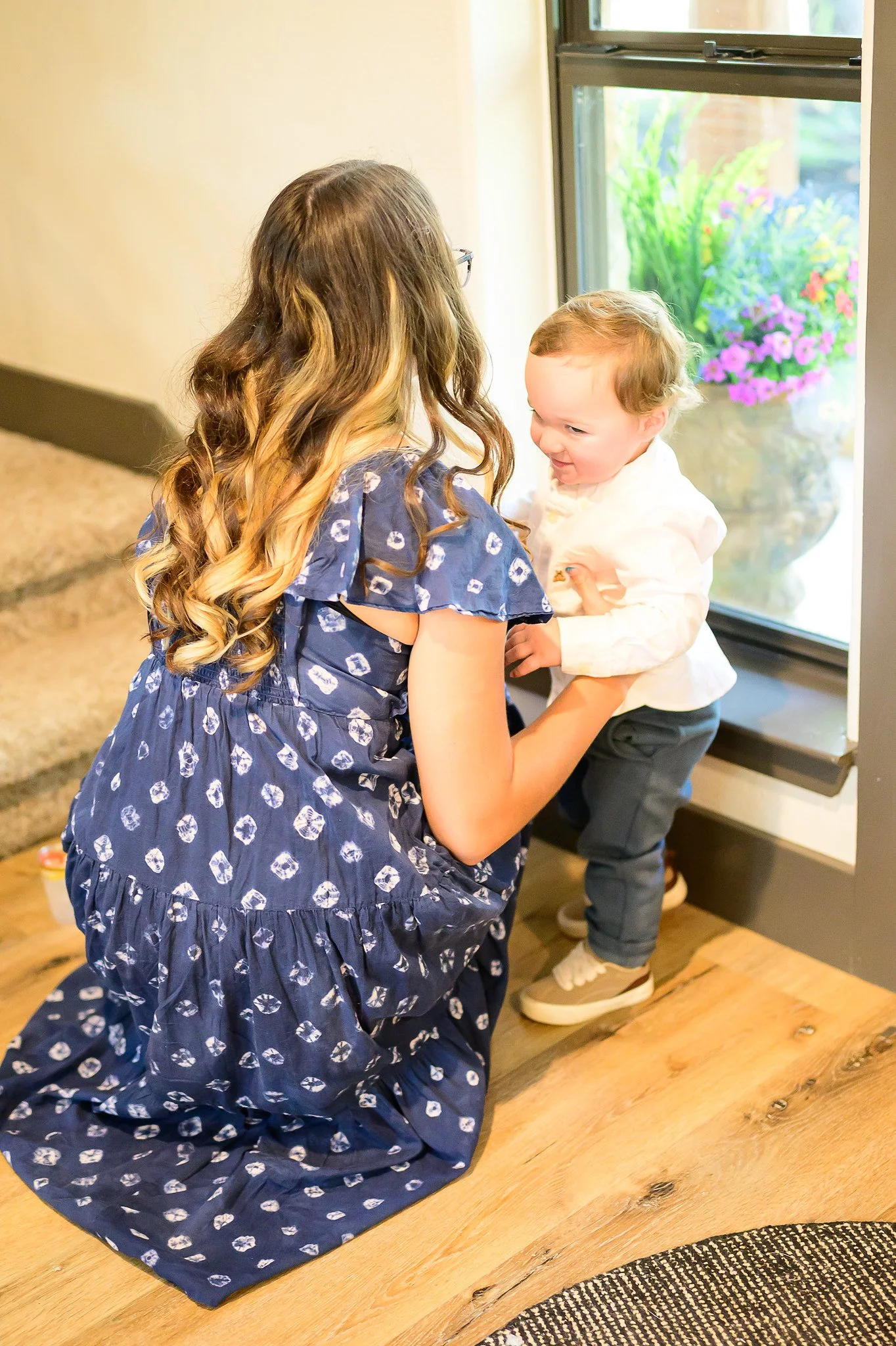
It can remove a few obstacles, welcome different generations and needs, offer reasons to play and places to rest.
At The Gathering, we thought about the details before you arrive so you don’t have to.
Because some of the best hospitality may be the kind you never consciously notice.
It simply leaves you more room to notice each other.
You might also enjoy:
Where to Stay in Wimberley for a Family Reunion
Main House vs. Cottage vs. Entire Property: Which Stay Fits Your Group?